.jpg&w=3840&q=75&dpl=dpl_6NpJ3KWSndTEywwJyXCuBxF2wMQS)
PADI course
Wreck Diver
Dive wrecks with a survey, a line, and a way out
$620per diver
- Duration
- 2 days · 4 dives
- Group size
- A small group — smaller again on the penetration dive
Who can enroll
Advanced Open Water or higher Ages 15 and up
From the shop
PADI Advanced Open Water Diver or higher, and at least 15 years old. That is where we set this course; PADI's own requirement is Adventure Diver, a rung our system cannot record. If you hold Adventure Diver, talk to us — the gate is ours, not the agency's. Deep Diver is not required, but wrecks below 18 meters are a good reason to have it. You will complete a medical questionnaire before the course; some answers require a physician's sign-off before you can dive, so tell us early if that may apply to you.
About this course
Wrecks are the best artificial reefs there are, and the most unforgiving places to improvise. Sharp steel, silt that hangs for an hour once you disturb it, and overheads that take away your straight route to the surface.
The course is four dives. You survey and map a wreck from the outside first, learn to look for hazards and entry points before you take any, then practice running and following a penetration line so that a lost visibility situation has a rope answer rather than a guessing answer. Only the fourth dive involves limited penetration, and only inside the light zone.
Recreational wreck penetration stays shallow and short: your depth plus the distance you swim inside stays within 40 meters of the surface, and you stay on a continuous guideline back to the exit. Deeper or further is technical wreck training, which is a different course.
Photos from the Wreck Diver course
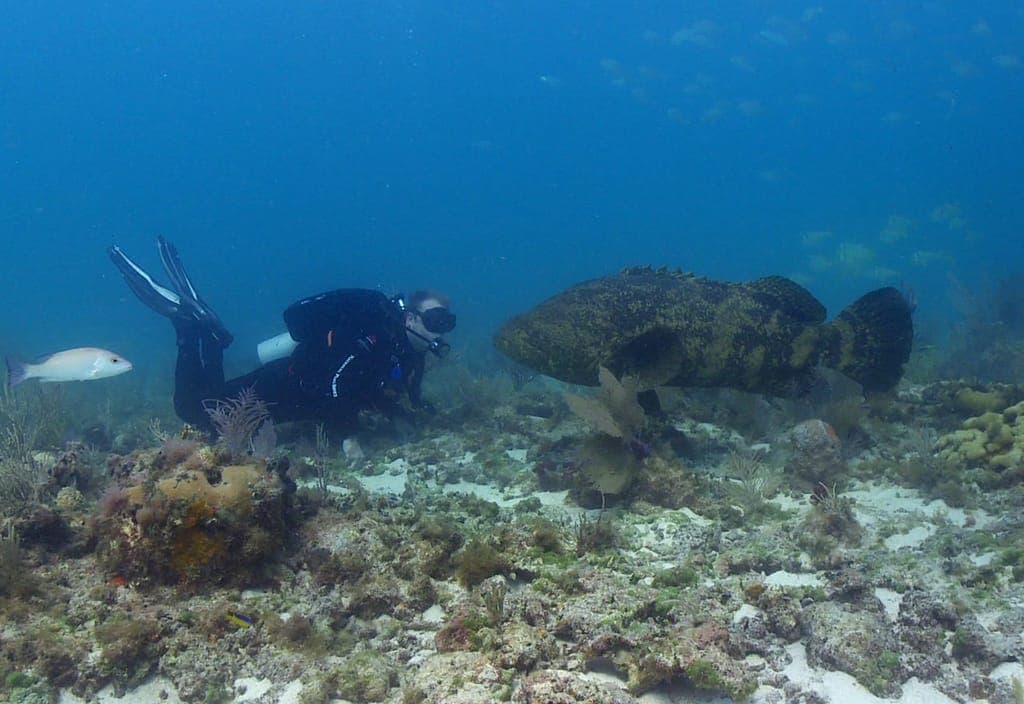
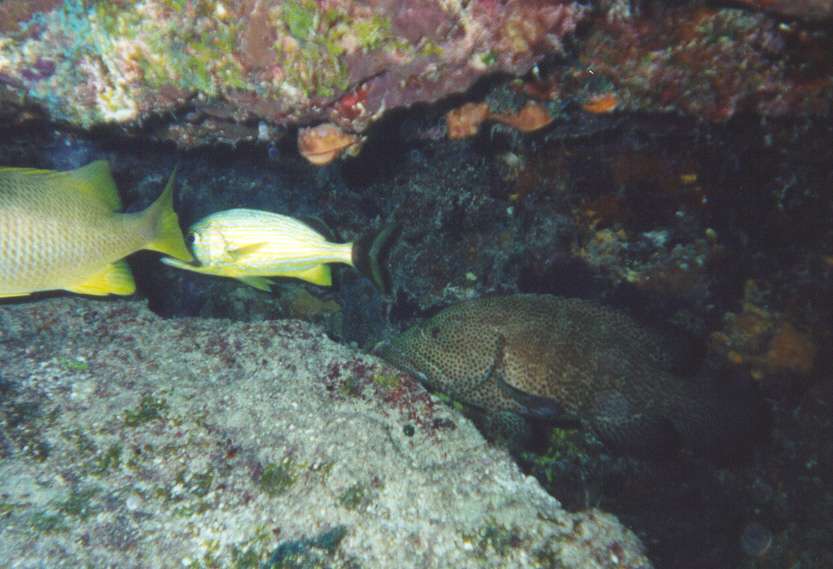
How the course runs
Day 1 — survey from the outside
8:00 AM – 3:00 PM
- Knowledge development: hazards, silt, entanglement, and why you do not take souvenirs
- Dive 1: orientation on the wreck, staying outside, spotting hazards
- Dive 2: mapping and sketching the wreck on a slate
Day 2 — lines and limited penetration
8:00 AM – 2:00 PM
- Dive 3: running a penetration line outside the wreck, then following it blind
- Dive 4: limited penetration inside the light zone, on a continuous guideline to the exit
- Debrief on gas planning, buddy spacing, and turn rules
- Logbook signing and certification paperwork
What the fee covers
We provide
- All PADI learning materials and certification fees
- Four training dives
- Reels, lines, and slates
- Tanks, weights, and boat
Not included
- Personal gear rental
- Dive light — bring your own or rent one from us; you need one for the penetration dive.
- Marine park fees
- Nitrox fills
Upcoming dates
Next date
Thu, Sep 24 – Fri, Sep 25
Starts 9:00 AM · 2 spots left
Looking for a different date? Request a date.
Questions divers ask
How far inside a wreck will I go?
Not far, and only on the last dive. Recreational wreck penetration stays inside the light zone, on a continuous guideline to the exit, with your depth plus penetration distance within 40 meters of the surface.
Do I need Deep Diver first?
No. But many good wrecks sit below 18 meters, and your depth limit follows your certification, not the wreck. If the sites you want are deep, take Deep Diver too.
Can I take something off the wreck?
No. Most wrecks are protected, some are war graves, and removing anything is often illegal as well as unwelcome. Take pictures.
What if the wreck silts out?
That is why you run a line. The course spends a whole dive on following a line by touch, because the day you need it is the day you cannot see it.
Which wrecks will we dive?
It depends on the season and the surface conditions. Ask us what is diveable the week you are here — we pick sites that suit the course, not the other way around.
Can I fly afterwards?
Wait at least 18 hours after multiple dives before flying. That is a minimum, not a guarantee — plan your last dive day with room to spare.