.jpg&w=3840&q=75&dpl=dpl_6NpJ3KWSndTEywwJyXCuBxF2wMQS)
PADI course
Divemaster
The first professional rating, and the point where diving becomes work
$1,575per diver
- Duration
- 4–8 weeks, depending on your dive count and availability
- Group size
- Candidates work closely with a staff instructor, in small cohorts
Who can enroll
Rescue Diver or higher Ages 18 and up
From the shop
PADI Rescue Diver or higher, at least 18 years old, and Emergency First Response primary and secondary care — or equivalent CPR and first aid training — completed within the past 24 months. You need 40 logged dives to start the program and 60 to certify, and those 60 have to include night or limited-visibility, deep, and navigation experience. A medical statement signed by a physician within the past 12 months is required; unlike the recreational courses, a self-declared questionnaire is not enough.
About this course
Divemaster is where you stop being a customer. You learn to supervise certified divers, assist an instructor with students, lead dives, brief a boat, and take responsibility for people who are not looking after themselves as well as you are.
The program is longer and less scheduled than a specialty course. It runs across knowledge development, waterskills and stamina exercises, a rescue assessment, practical application workshops, and internship days working real dives with real customers. Expect weeks, not days, and expect to be on the boat before the customers arrive.
You need 40 logged dives to begin and 60 to certify, so the program is also where a chunk of your logbook fills in. The stamina exercises are scored rather than pass-or-fail, which surprises people less than the amount of paperwork does.
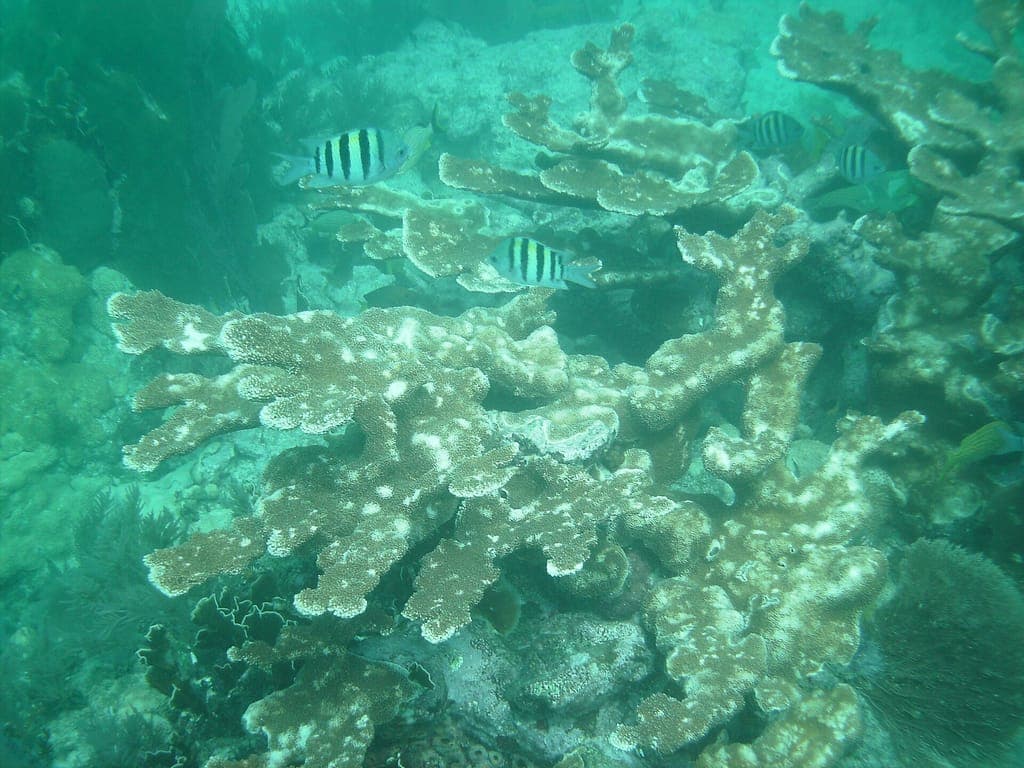
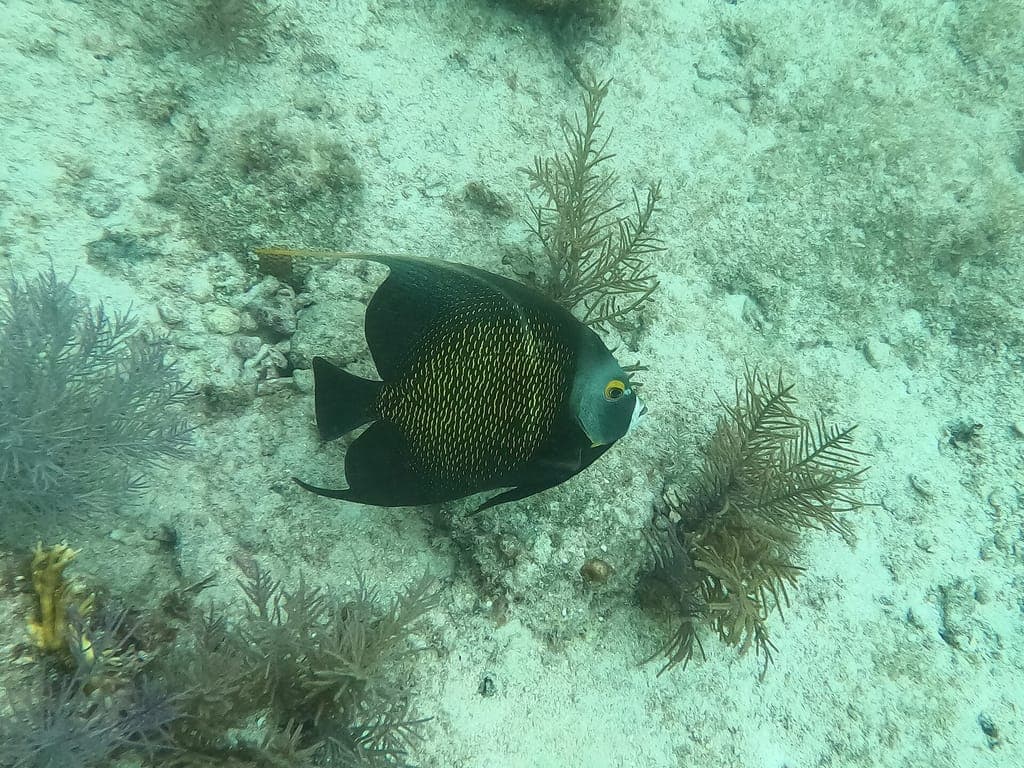
Photos from the Divemaster course
How the course runs
Phase 1 — knowledge and watermanship
week 1–2
- Knowledge development and the Divemaster exams
- Watermanship: swim, snorkel, tread, and tired-diver tow, scored not pass-fail
- Rescue assessment — Rescue Exercise 7, unresponsive diver at the surface
- Dive Skills Workshop: all 24 skills, demonstration quality
Phase 2 — practical application
week 2–4
- Dive site setup and management workshop
- Mapping project on a site we actually run
- Deep and search-and-recovery scenarios
- Skin diver and snorkeling supervision workshop
Phase 3 — internship
week 4 onward
- Assisting on Open Water and continuing-education courses
- Supervising certified divers on real boat days
- Briefing, roll call, and manifest practice
- Logbook to 60 dives, paperwork, and certification
What the fee covers
We provide
- All PADI learning materials, exams, and application fees
- Knowledge development, workshops, and skill assessments
- Internship days working alongside our instructors
- Tanks, weights, and boat on training days
Not included
- PADI membership and annual renewal fees
- Emergency First Response course, if yours has lapsed
- Physician's medical examination
- Personal gear — you are expected to own a full set
- Professional liability insurance
Upcoming dates
Next date
Wed, Oct 7
9:00 AM – 1:00 PM EDT · 1 spot left
Looking for a different date? Request a date.
Questions divers ask
How many dives do I need?
40 logged dives to begin and 60 to certify, and those 60 have to include night or limited-visibility, deep, and navigation experience. If you arrive with 40 we will build the rest into the program; if you arrive with 60 we will check the mix before you start.
Do I have to own my gear?
Yes, in practice. A Divemaster is expected to arrive with their own mask, fins, snorkel, exposure suit, BCD, regulator with alternate air source, computer, compass, cutting tool, surface marker, and slate.
Can I work as a Divemaster straight away?
You are certified to supervise certified divers and assist instructors, once you are a renewed PADI member with insurance where it is required. Whether a shop hires you is a separate question, and a good internship is the best answer to it.
Are the stamina exercises pass-or-fail?
They are scored on a scale, and you need a minimum total across them. You do not need to be an athlete; you do need to be able to look after someone else in the water when you are already tired.
How long does it really take?
Four to eight weeks for most candidates, longer if you are working around a job. The program is performance-based, so the honest answer is that it takes as long as it takes to be someone we would put in front of customers.